
Palm trees belong to the Arecaceae family and are one of the most diverse plant groups, ranging from small shrubs to towering trees. They are commonly found in tropical and subtropical regions and are widely used for ornamental, commercial, and ecological purposes.
🌴 Key Features of Palm Trees:
-
Height: Can range from small (1–2 meters) to tall (up to 60 meters or more).
-
Leaves: Large, evergreen, and either fan-shaped (palmate) or feather-shaped (pinnate).
-
Trunk: Usually single, slender, or thick, but some species have clustering trunks.
-
Flowers: Small, often clustered, can be white, yellow, or cream.
-
Fruits: Many produce edible fruits like coconuts, dates, and betel nuts.
🌱 Popular Types of Palm Trees:
✅ Coconut Palm (Cocos nucifera) – Produces coconuts, thrives in coastal areas.
✅ Date Palm (Phoenix dactylifera) – Grown for its sweet, edible dates.
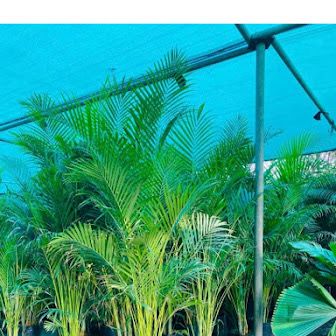
✅ Areca Palm (Dypsis lutescens) – Popular indoor palm with feathery fronds.
✅ Royal Palm (Roystonea regia) – Majestic, tall with smooth, gray trunk.
✅ Foxtail Palm (Wodyetia bifurcata) – Attractive, bushy fronds, great for landscaping.
🌿 Growing Conditions:
-
Light: Most palms prefer full sun to partial shade.
-
Soil: Well-draining soil; some palms tolerate sandy or clay soils.
-
Watering: Moderate to high, depending on species; drought-tolerant varieties exist.
-
Temperature: Most thrive in warm climates, though some (e.g., Windmill Palm) tolerate cold.
Reviews
Clear filtersThere are no reviews yet.